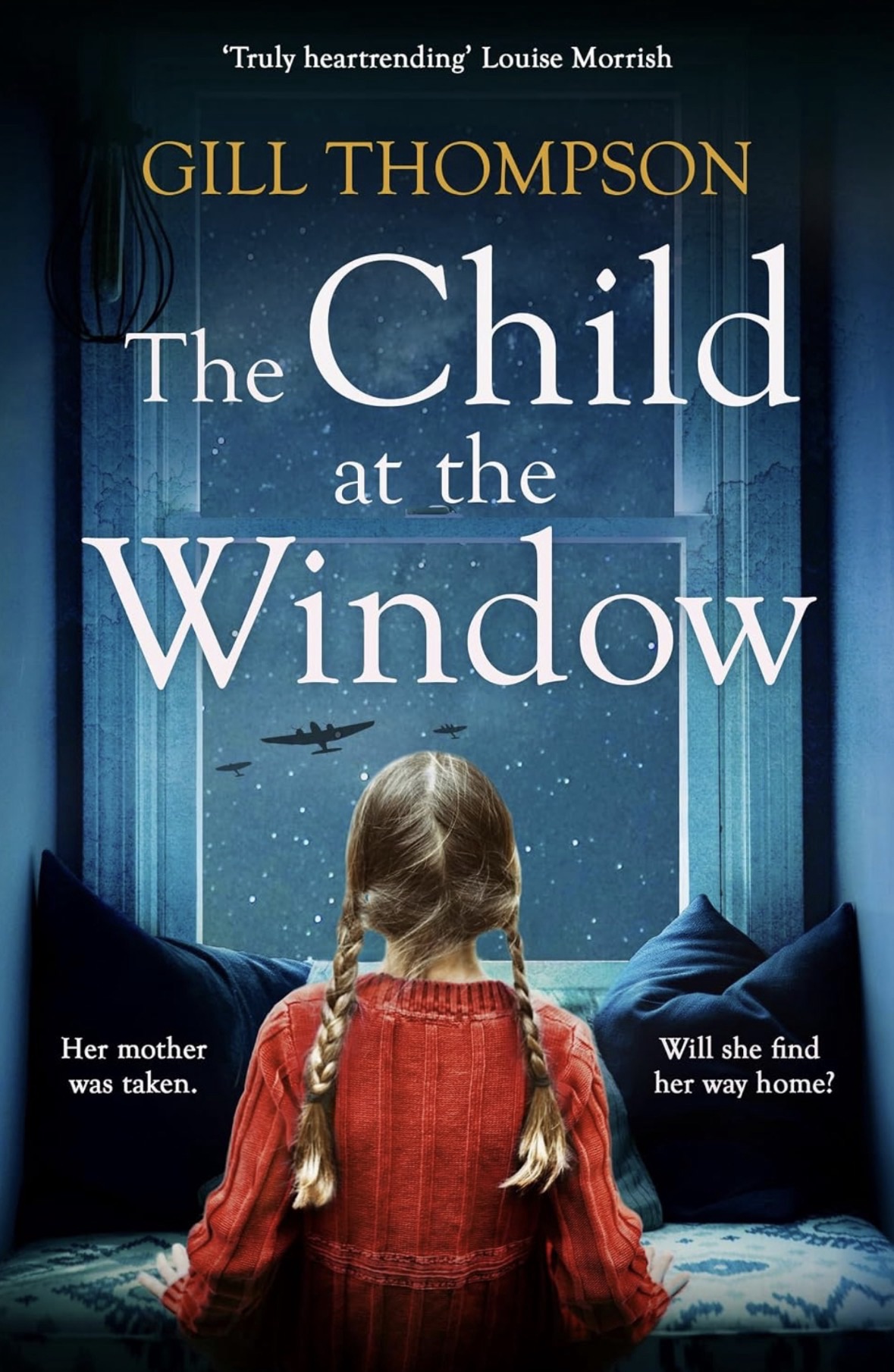
The publisher’s presentation
Her hands tremble as she tightens her grip on the letter, taking in the familiar script that is scratched into the fading parchment. For more than thirty years, she has carried this testimony – these secrets – with her. It’s time her story was told.
1937. As fascism rises across Europe and the threat turns to very real danger for their Jewish friends in Berlin, sisters Josephine and Constance smuggle out possessions to help to finance their friends’ new lives as refugees in London – if they make it out. Then, one day, they’re asked to rescue something much more precious: a little girl. Her mother, Ilse, has been imprisoned for her journalism and her father, Daniel, knows he must do all he can to protect their child – even if that means letting her go…
1939. When war breaks out, the sisters are tortured by thoughts of those they couldn’t save and commit to doing all they can on the Home Front – Jo, at the Ministry of Information, where she becomes part of a network of intelligence workers, and Constance as an air raid warden during the Blitz. Meanwhile in Germany, Ilse is moved to Ravensbrück, where she bands together with other women in the camp to expose the atrocities they face every day. But can Ilse find a way to connect with her daughter?
My reading experience
I love books that are based on true stories and this one is inspired by a few true stories put together and with great author talent.
Gill Thompson has already written novels that take place during WWII. It is a period she knows well and has researched in depth. This comes through in this story which shifts between Germany and England and shows different perspectives. Daniel, Ilse and Esther, a family living in Berlin, are separated by the Nazi regime. Ilse’s activity as a journalist (inspired by Bella Fromm) gets her arrested and we hear from her perspective in captivity all the way through the war. Her daughter Esther is taken to the UK and a part of the story is her perspective as a small child living in a different country without having asked for this. Daniel eventually flees to the UK as well and his perspective is one of guilt and sadness for his wife, and courage to rebuild his life.
The other perspectives are those of Jo and Con, two sisters who are modelled on Louise and Ida Cook, who helped many Jewish people to escape Germany in the years before the war. The sisters are also involved in war activities in the UK, in particular in the propaganda efforts organised towards Germany.
I learned a lot again when reading this book and I also enjoyed the story and the characters.
I also appreciated the author’s note, where she shares the background to the story, and where she reflects on why she continues to write about WWII, which I quote here because it does resonate with me: “ I continue to write about World War Two because it still lives in the memory of those who survived it and in the legacies they pass down. These are not just stories of the past – they are touchstones for the present. We live in a world that remains fragile, where freedom, democracy, and human rights are still endangered. I’m not convinced we’ve learned from the tragedies of the 20th century. But perhaps, through storytelling, we keep trying.”.
I am glad I discovered this author and this book. Thank you to NetGalley and Headline for the ARC.
You can read about this book in Gill’s own words and find out more about her books here and her creative writing here. Gill publishes is on X and Facebook as Wordkindling.
 Valerie is reading
How about leaving a comment and getting the discussion going?