
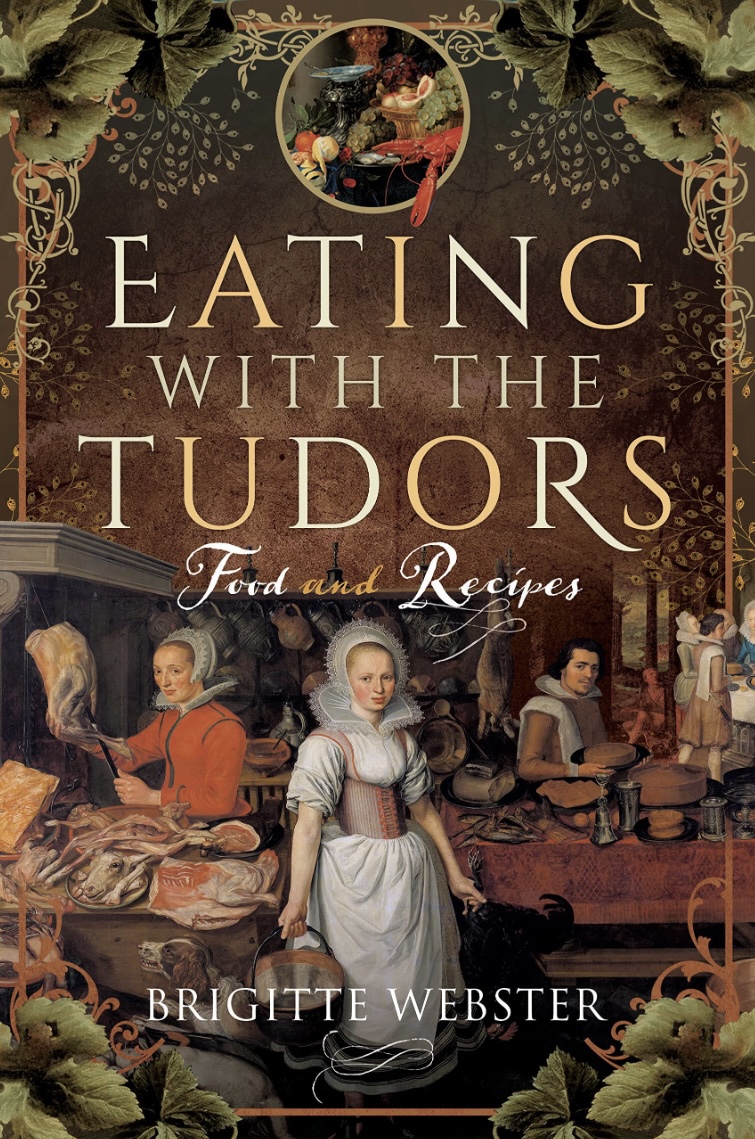
This is a really fascinating book about food, eating culture, traditions, and recipes from the Tudor times. The author starts with an impressive review of the books and documents she has researched over a period of about 10 years. What a work of love that was ! Covering the period 1485 to 1603, the book is organised by seasons, which definitely fits with the pattern of nature and weather, which was so important at the time.
Spring and lent focus on using the first plants in the year. Medicinal virtues of plants and foods were definitely an important element of Tudor eating. And of course the Easter traditions feature in the recipes. Summer highlights the enjoyment of picnics. Autumn is a busy time of food preservation and conservation to last through the winter. Before icehouses, preservation was by drying and also, in the case of meat, curing and laying in brine. Sugar was used for preserves and conserves and spices held an important place in Tudor kitchen. A Tudor household would not let food go to waste. We also read about potages, a wide range, especially consumed by the common folk, as well as beans, gourds, vaunts (stuffed sweet omelettes). Of course various recipes feature apple and pears. I love the apple moise and the bake of peares, quinces and wardens. Winter food depended very much on whether you were rich or poor. We learn about various Christmas traditions, venison, plum pudding and figgy pudding and, later, turkey. We discover recipes of turkey, duck, pigeons, quail, capon, pheasant, but also mince pies and frumenty. I loved the recipe “A tarte to provoke courage either in man or woman”, made with the sweet potatoes that had recently arrived from Panama. A whole chapter is devoted to banqueting food. Banquets were served as the last part of a meal. Designed to impress, they were usually luxurious and also a more private and intimate setting for eating and socialising. Subtleties and sweetmeats, tarts and jellies, cakes and breads, wafers, comfits and all kinds of sweet delights were served, made possible by the increased availability of sugar in the 16th century.
I did not know anything about Tudor food and this is what made me pick up this book. What a great idea that was! I have really learned a lot. Not just on the food but also the language, thanks to the original recipes that are proposed….together with their version in modern language. A really good book for those who have a combined interest in food and history. And congratulations to the author for this work of reference.
Eating with the Tudors. Food and Recipes (Brigitte Webster)
 Valerie is reading
How about leaving a comment and getting the discussion going?